

Subscribe To Our Newsletter!

.svg)

PEAKS & PUEBLOS
Subscribe To Our Newsletter!
Subscribe To Our Newsletter!
Subscribe To Our Newsletter!
Subscribe To Our Newsletter!
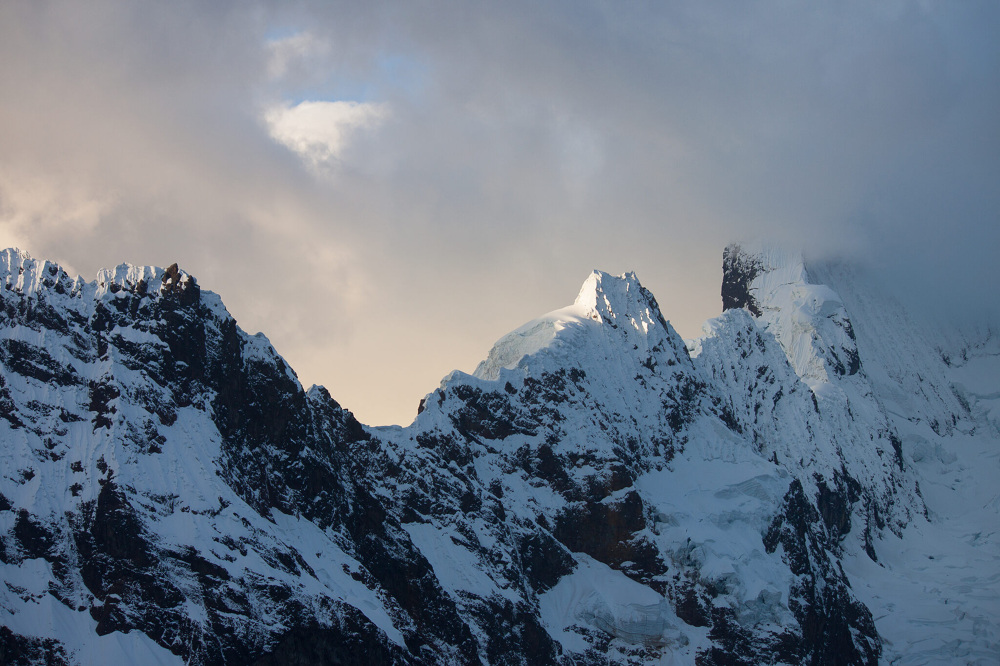
The mountains are gods: an exploration of the more-than-human
An introduction to a series of articles exploring stories of sacred mountains and the people who believe these great landscape are alive.

"The smaller one comes to feel compared to the mountains, the nearer one comes to sharing in its greates" Arne Næss
This is the first in a series of articles seeking to hear and share stories of mountains from around the world. Not just any mountains, these are mountains that are widely experienced, felt and understood to be intelligent, living beings with agency. In the West, mountains are often regarded - much like other landscapes - as lifeless objects. In a global context, however, local and indigenous uplands communities often revere their mountains, which to them are in many cases sacred, divine embodiments of living beings or gods.
With recent works exploring these themes in other landscapes - such as Robert MacFarlane’s recent book Is a River Alive? and Eduardo Kohn’s How Forests Think - the goal is to attempt to explore how we might hear mountains, as well as finding comfort in how we cannot. If they are alive, we certainly can’t speak their language, and their intelligence clearly works in ways beyond our comprehension. Mountain peoples, however, have coexisted in these landscapes for a long time - they are “as old as the hills”, you might say - and as such the goal of these articles is simply to listen to and share stories of these mountains, and hopefully in some small way glimpse their significance to our own sense of wonder, intrigue, and our potential openness to change.
For me, the wonder and awe these mountains offer, together with the life-nourishing water they provide, compel us to ask ourselves as modern societies how more animist, panpsychic and new materialist views of the more-than-human world might help us in this moment of climate and nature crisis. By hearing the stories of several sacred mountains, and profiling them as living beings, the goal is less about making new prescriptions, definitions or categorisations - i.e. of life beyond the typical biological definition, etc. - and more simply about enabling in ourselves our curiosity and openness to perceive other features of the natural world in alternative ways. Ultimately, the question then is whether we have the capacity to shift our minds as to what life and divinity are, but also to begin to sense these essences in other beings and assemblages.
"There are no unsacred places; there are only sacred places and desecrated places" Wendell Berry
Perhaps by sensing these “beings” beyond mere concepts - or at least opening our awareness to them, and by being vulnerable enough to let ourselves be transformed through our relationship with them (how they affect us) - we can build closer relationships with other parts of our planetary systems that for the past century and more we have been exploiting, wasting and desacreting. If we can deeply recognise life, vitality or what Aristotle called “entelechy” within the more-than-human, maybe - just maybe - we can learn to love our planet again.
As Hannah Arendt says, “Education is the point at which we decide whether we love the world enough to assume responsibility for it” In this sense, this exploration is one of education, and attempting to hear deeply what the mountains might teach us if we can find the means and care to listen. For me, this openness and curiosity is central to what it means to travel, to explore and to adventure in meaningful, emergent ways that engage our natural resilience through increasing comfort with uncertainty, a broader diversity of connection and non-judgmental approach to new and different ways of experiencing the world.
The first article in this series is coming soon...
Sam Williams
A beyond-profit project manager, community builder and social entrepreneur, Sam shares stories about mountains, climbing, nature connection, wilderness, rewilding, deep ecology, and the meaning of adventure in a more-than-human world. He is currently working on a series entitled The Mountains are Gods exploring local and indigenous stories of sacred, living mountains. To find out more visit Reflexive Ecology. You can also find him on LinkedIn and Instagram.
Latest posts

A short photo essay of daily life in East Africa's ancient coastal communities along the Indian Ocean.
With high altitude mountaineering on hold and recovery from injury the name of the game, James explores Central Asian together with his own ability to travel restfully.
Subscribe To Our Newsletter!
PEAKS & PUEBLOS
Subscribe To Our Newsletter!
PEAKS & PUEBLOS
A global adventure community, celebrating stories of meaningful travel and exploration.
Subscribe To Our Newsletter!
Subscribe To Our Newsletter!
PEAKS & PUEBLOS
Subscribe To Our Newsletter!