Where central-east Africa meets the Indian Ocean, there lies the Swahili Coast. Stretching almost 3,000km (1,800 miles) from Kenya's border with Somalia in the north to Mozambique and Madagascar in the south, this is a land born of the sea. A civilisation built on ancient trading routes uniting the vast African continent with the Arabian, Persian, Indian and Chineses civilisations of old, this is a place and culture steeped in an ever-evolving history.
In late 2024 and early 2025, I travelled down the coastline of Kenya to experience for myself this fascinating region, and to meet some of its diverse but distinctive peoples and cultures. Travelling by boat, bus, bodaboda (motorbike) and the odd hitchhike, this is a short series of images from that time, together with some insights as to what you can expect when you visit this wonderful coastline.
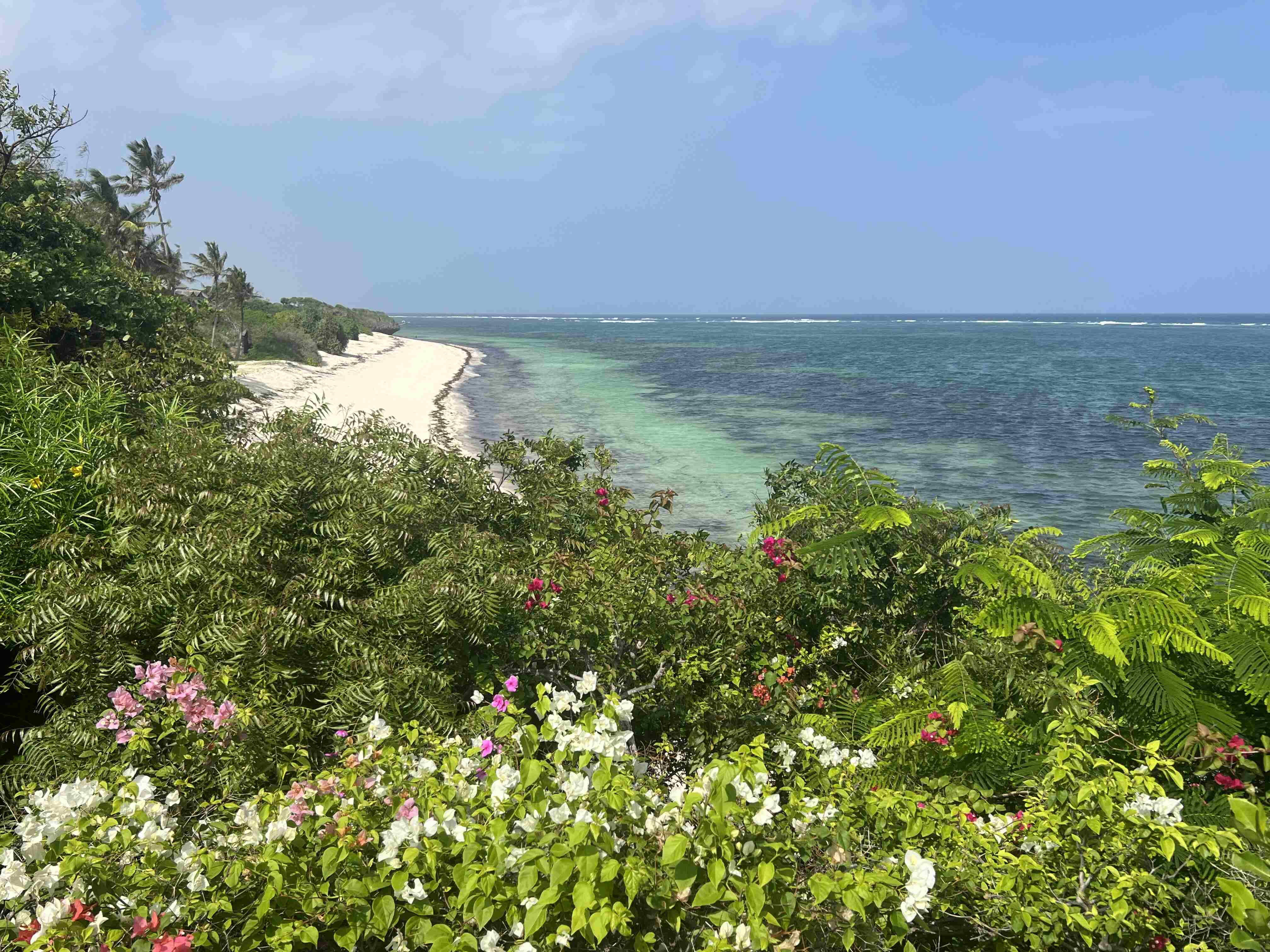
Blessed with the magical mix of year-round sunshine and regular rainfall, the Swahili coasts boasts abundance both on land and at sea. The shallow waters, coral reefs, sea grasses, and mangroves make the region a fisherman's wonderland, while the fertile soils above host biodiverse tropical forests and plantations of sisal, coconut and cashew. This beach near Kilifi is one of many that litter Kenya's view onto the Indian Ocean.
The Swahili peoples are predominately muslim with Islam arriving in the 8th century, and strong cultural influences coming from Oman and other sailing peoples of the Middle East. Linguistically, they are Bantu, a group of African languages stretching across the southern half of the continent. Heavily associated with ancient Arabian and Persian cultures, seafarers in this region have traversed the waters of the Indian Ocean for many hundreds of years - perhaps thousands - and fishing is a centrepiece of life here.
The "dhow" is the traditional sailing boats of the Swahili Coast, with the most popular design originating in Madargascar. Here, on the waters not far from the Somalian border in northern Kenya, locals work the waters as fishers, ferrymen and for the transport of goods including construction materials. The dhows are handmade with traditional skills passed down by boatbuilders throughout the major settlements of the region, and they have become a major symbol of Swahili culture. Today, a trip on a dhow is must for any visitor to the region.
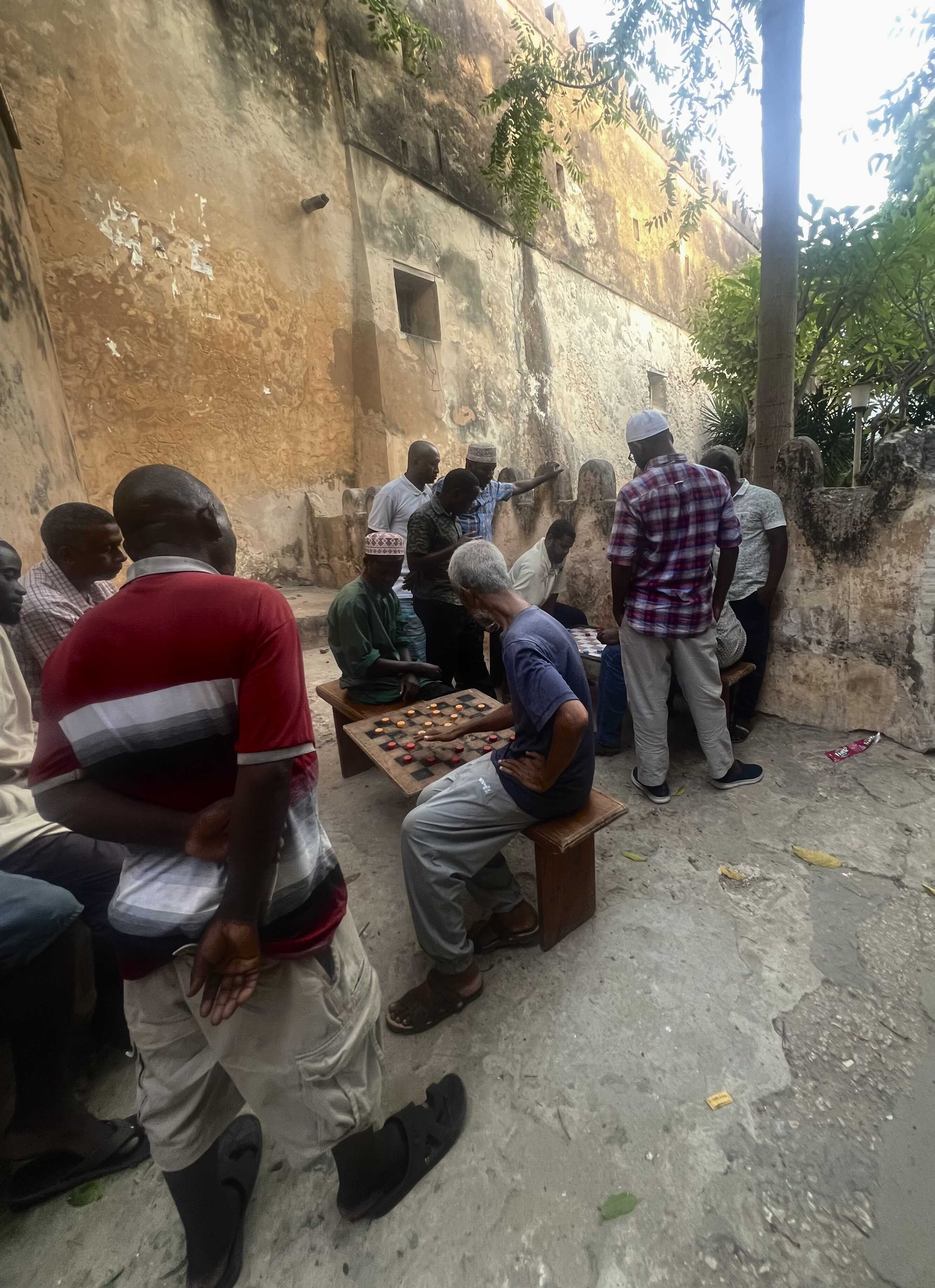
On land, Swahili cultural influences make for some beautiful and bewildering architecture and urban design. This is a side view of the Lamu Fort in town's old quarters, and a good example of how untouched the vast majority of ancient buildings are, even as newer additions are being added all the time. With a seemingly organic crisscross of influences, here you will find many cultures, religions and ethic groups living together side by side, all bringing there own colours and designs, as well as foods, music, art, dress and more. The fort for built by the Omanis in the early 19th century, before serving as a prison for most of the 20th.
Many of the towns have narrow streets, and donkeys are an essential part of the landscapes, economies and cultures of this region. Here a couple of young boys ride through an alleyway, but the value of donkeys here is hugely prized. A symbol of good luck and prosperity, the donkeys labour is essential for moving construction materials and other goods from boat to land, and back again. Many areas are free of cars, and although the bodaboda (motorbike) is on the rise, the donkey is still highly respected here (as it is in much of the world).
Here a large merchant's mansion and a vast shade-giving acacia tree stand together at the water's edge on the north side of Kenya's Lamu island. The ecology of this region, including its trees, is truly beautiful. Together with many types of mangroves and palms, neem, jacaranda, mvule, baobab, fig and many others hold firm in sometime loose, sandy soil for thousands of kilometres down the coastline. Mirroring the rich natural landscapes, the architecture here is also something to behold and the wealth captured from the ocean clear to see.
Here's another example of the region's arctitecture, and the consistent merging of historic and comtemporary building techniques, as well as the way in which for many building is a process rather than simply a project to be finished. This is present across the region, with construction taking place as time and resources allow. Sometimes it even seems like a new floor is added upon the arrival of a new life.
Outside the walls of the Lamu Fort, locals from all walks of life play games and relax in the late afternoon shade.
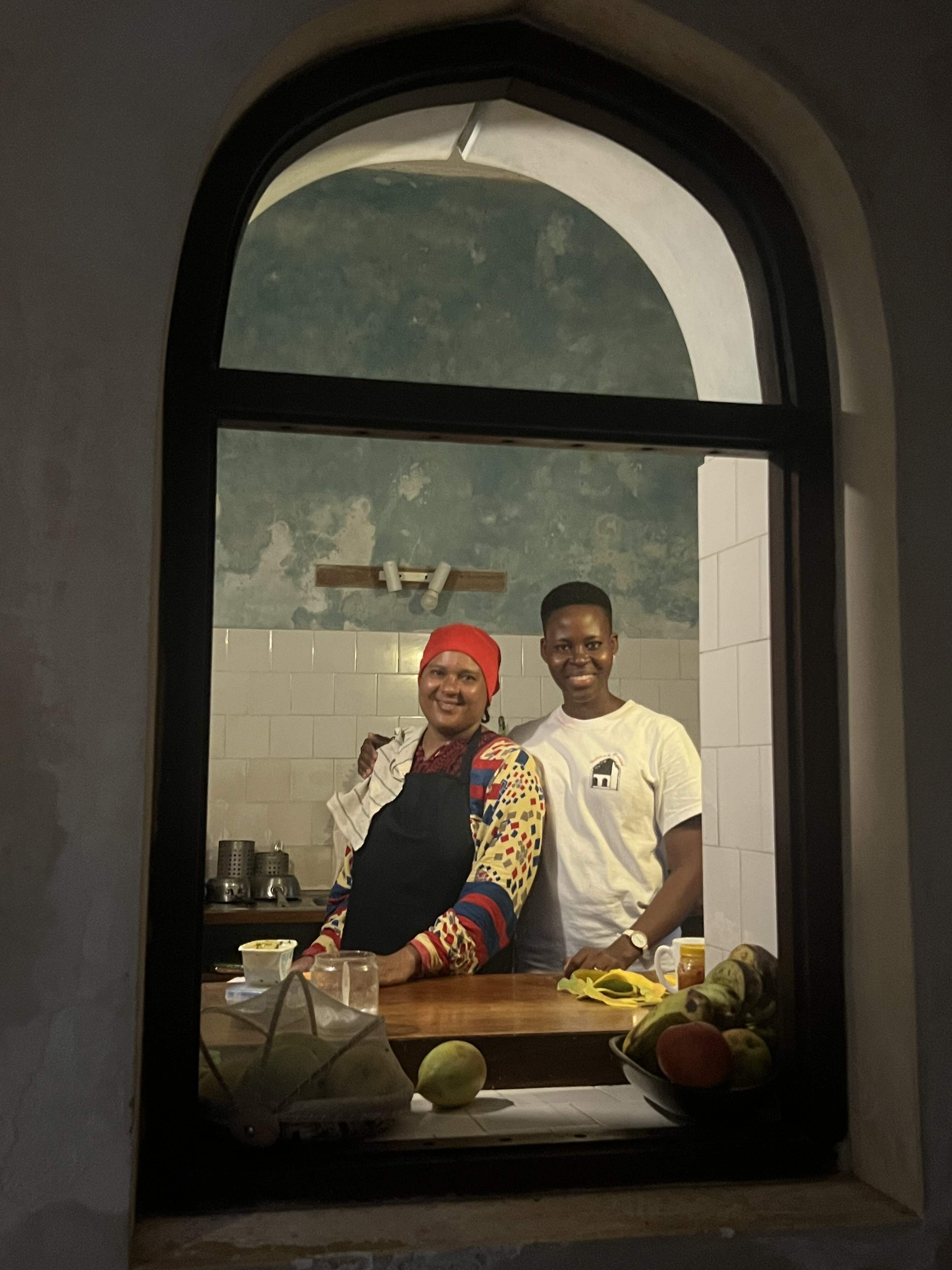
A couple of local cooks smile through the interior window of their kitchen restaurant in the old town of Lamu in Kenya's north coast.
Looking for a way to cool down in the mid afternoon sun, I found inspiration from these local cats who seemed to know how to relax. After a morning down at the beach where the fishing boast come in, these guys appeared pretty content with the lifestyles they had found themselves with!
A beyond-profit project manager, community builder and social entrepreneur, Sam shares stories about mountains, climbing, nature connection, and the meaning of adventure in a more-than-human world. He is currently working on a series entitled The Mountains are Gods exploring stories of sacred mountains. To find out more visit Reflexive Ecology. You can also find him on LinkedIn and Instagram.



.svg)